
On-Demand, Conference
Decode the Competing Values Framework (CVF) to balance innovation and stability
Understand why culture—not technology—is the biggest barrier to AI adoption
See how LifeLabs Learning is applying Dr. Cameron’s research to show real ROI on leadership development

As Chief Product Officer, Samantha creates and supports personal transformation through experience, learning, and product design. She has a Master’s Degree in Peace & Conflict Studies and founded and led an EdTech company in the higher education space prior to joining LifeLabs Learning in a digital product and learning capacity.
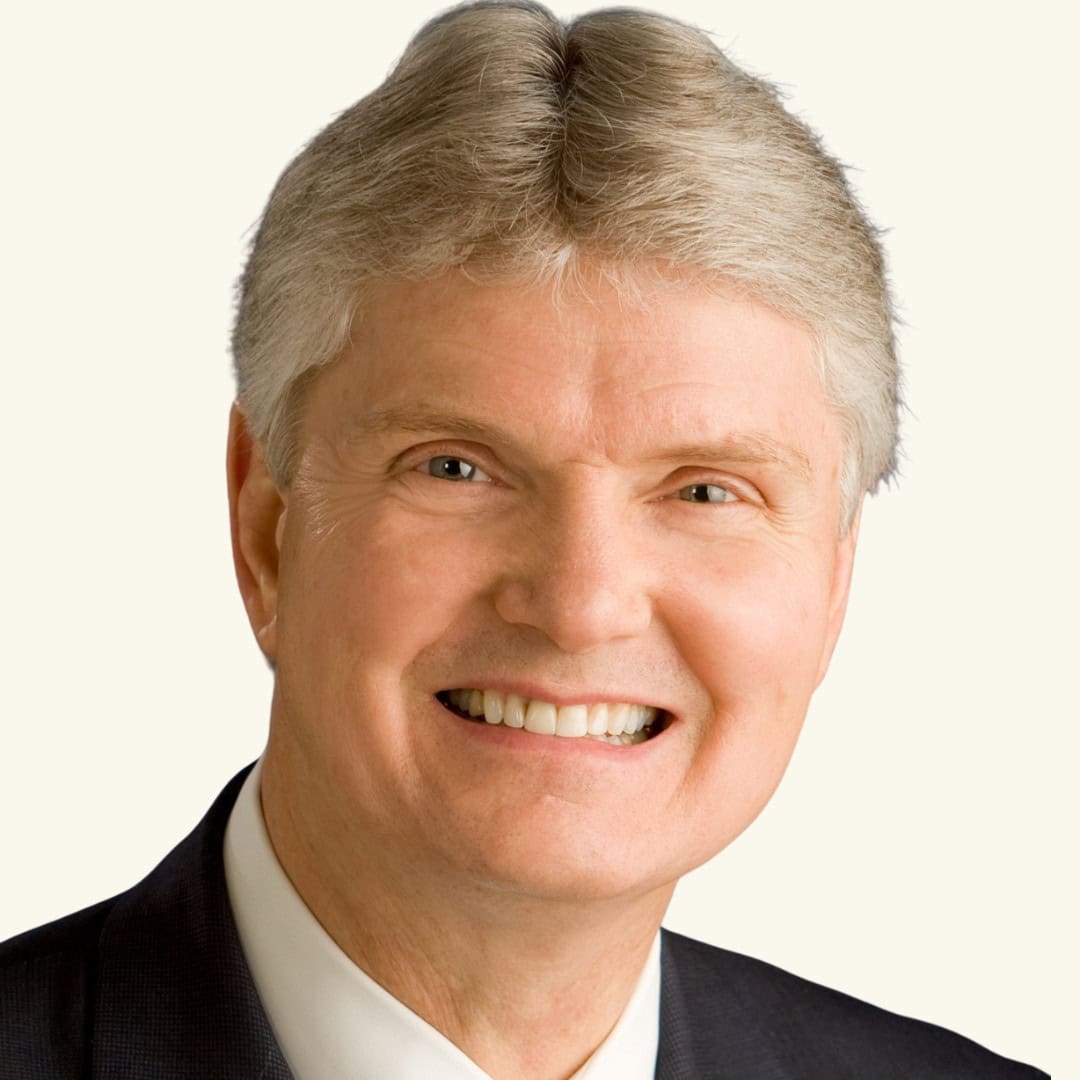
Dr. Kim Cameron
Kim S. Cameron is William Russell Kelly Professor Emeritus of Management and Organizations in the Ross School of Business and Professor Emeritus of Higher Education in the School of Education. His research on organizational virtuousness, downsizing, effectiveness, positive culture, and the development of leadership excellence has been published in more than 130 academic articles and 16 scholarly books.
His current research focuses on virtuousness in and of organizations–such as forgiveness, gratitude, kindness, and compassion–and their relationship to performance. Organizations characterized by virtuous practices and by demonstrated positive leadership have been found to perform much higher than industry averages and than their own past performance.
He is one of the co-founders of the Center for Positive Organizations at the University of Michigan and has served as Dean at the Weatherhead School of Management at Case Western Reserve University, Associate Dean in the Marriott School of Management at Brigham Young University, and Associate Dean and department chair at the University of Michigan. He was recognized as among the top ten organizational scholars in the world whose work has been most frequently downloaded on Google.
Kim received a bachelor’s degree (1970) and master’s degree (1971) from BYU, and he earned a master’s degree (1976) and a Ph.D. (1978) from Yale University in New Haven, Connecticut.
On-Demand, Conference
As organizations race to integrate AI, many are discovering that the toughest challenge isn’t the technology – it’s the culture shift. In this conversation, Samantha Martin (Chief Product Officer, LifeLabs Learning) and Dr. Kim Cameron (Founder, Cameron Institute; Professor Emeritus, University of Michigan; co-creator of the Competing Values Framework) unpack what it takes to make AI work for both people and performance. They explore how leaders can build trust, adaptability, and clarity across teams, and how the CVF, used by 10,000+ organizations worldwide, helps balance competing priorities to create thriving, high-performance cultures. Watch to learn how to: Decode the Competing Values Framework (CVF) to balance innovation and stability Understand why culture – not technology – is the biggest barrier to AI adoption Connect culture to measurable business outcomes like retention, innovation, and engagement See how LifeLabs Learning is applying Dr. Cameron’s research to show real ROI on leadership development Walk away with insights and practical tools to align culture with strategy and make AI adoption more human – and more effective.
As Chief Product Officer, Samantha creates and supports personal transformation through experience, learning, and product design. She has a Master’s Degree in Peace & Conflict Studies and founded and led an EdTech company in the higher education space prior to joining LifeLabs Learning in a digital product and learning capacity.
Dr. Kim Cameron
Kim S. Cameron is William Russell Kelly Professor Emeritus of Management and Organizations in the Ross School of Business and Professor Emeritus of Higher Education in the School of Education. His research on organizational virtuousness, downsizing, effectiveness, positive culture, and the development of leadership excellence has been published in more than 130 academic articles and 16 scholarly books.
His current research focuses on virtuousness in and of organizations–such as forgiveness, gratitude, kindness, and compassion–and their relationship to performance. Organizations characterized by virtuous practices and by demonstrated positive leadership have been found to perform much higher than industry averages and than their own past performance.
He is one of the co-founders of the Center for Positive Organizations at the University of Michigan and has served as Dean at the Weatherhead School of Management at Case Western Reserve University, Associate Dean in the Marriott School of Management at Brigham Young University, and Associate Dean and department chair at the University of Michigan. He was recognized as among the top ten organizational scholars in the world whose work has been most frequently downloaded on Google.
Kim received a bachelor’s degree (1970) and master’s degree (1971) from BYU, and he earned a master’s degree (1976) and a Ph.D. (1978) from Yale University in New Haven, Connecticut.

Culture Club
• Virtual
Culture Club
• Virtual
• AI
Culture Club
• Virtual