
On-Demand, Conference
Learn the science of Positive Leadership: Discover why certain behaviors have an outsized impact on performance at every organizational level.
Get inspired by real-world stories: Hear how leaders have transformed culture and results through positive practices.
Make it real at your org: Discover how LifeLabs Learning brings Positive Leadership principles to practical, skills-based manager training.

As Chief Product Officer, Samantha creates and supports personal transformation through experience, learning, and product design. She has a Master’s Degree in Peace & Conflict Studies and founded and led an EdTech company in the higher education space prior to joining LifeLabs Learning in a digital product and learning capacity.
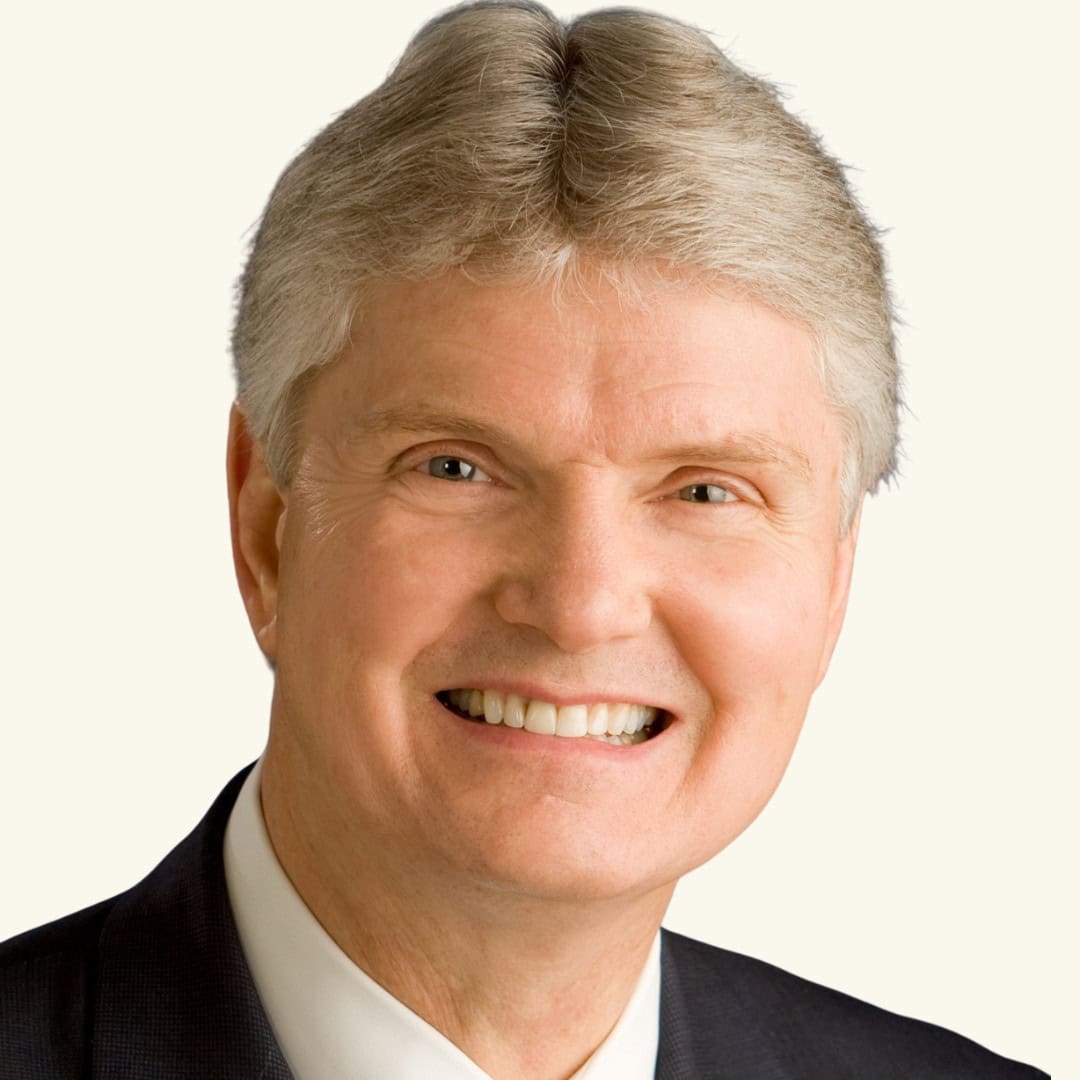
Dr. Kim Cameron
Kim S. Cameron is William Russell Kelly Professor Emeritus of Management and Organizations in the Ross School of Business and Professor Emeritus of Higher Education in the School of Education. His research on organizational virtuousness, downsizing, effectiveness, positive culture, and the development of leadership excellence has been published in more than 130 academic articles and 16 scholarly books.
His current research focuses on virtuousness in and of organizations–such as forgiveness, gratitude, kindness, and compassion–and their relationship to performance. Organizations characterized by virtuous practices and by demonstrated positive leadership have been found to perform much higher than industry averages and than their own past performance.
He is one of the co-founders of the Center for Positive Organizations at the University of Michigan and has served as Dean at the Weatherhead School of Management at Case Western Reserve University, Associate Dean in the Marriott School of Management at Brigham Young University, and Associate Dean and department chair at the University of Michigan. He was recognized as among the top ten organizational scholars in the world whose work has been most frequently downloaded on Google.
Kim received a bachelor’s degree (1970) and master’s degree (1971) from BYU, and he earned a master’s degree (1976) and a Ph.D. (1978) from Yale University in New Haven, Connecticut.
On-Demand, Conference
What if the secret to extraordinary performance wasn’t tougher goals or tighter controls, but more gratitude, compassion, and trust? Join Samantha Martin of LifeLabs Learning and Dr. Kim Cameron, who developed the foundational theory of Positive Leadership, for an eye-opening conversation with LifeLabs Learning. Drawing on decades of research across industries – from Fortune 500s to the U.S. Army – Dr. Cameron will share why “virtuous practices” like gratitude and forgiveness are strategic levers that drive performance 5-10x above the norm. In this session, you’ll: Learn the science of Positive Leadership: Discover why certain behaviors have an outsized impact on performance at every organizational level. Get inspired by real-world stories: Hear how leaders have transformed culture and results through positive practices. Make it real at your org: Discover how LifeLabs Learning brings Positive Leadership principles to practical, skills-based manager training. Leave inspired and equipped to bring Positive Leadership to your org, helping people and performance flourish.
As Chief Product Officer, Samantha creates and supports personal transformation through experience, learning, and product design. She has a Master’s Degree in Peace & Conflict Studies and founded and led an EdTech company in the higher education space prior to joining LifeLabs Learning in a digital product and learning capacity.
Dr. Kim Cameron
Kim S. Cameron is William Russell Kelly Professor Emeritus of Management and Organizations in the Ross School of Business and Professor Emeritus of Higher Education in the School of Education. His research on organizational virtuousness, downsizing, effectiveness, positive culture, and the development of leadership excellence has been published in more than 130 academic articles and 16 scholarly books.
His current research focuses on virtuousness in and of organizations–such as forgiveness, gratitude, kindness, and compassion–and their relationship to performance. Organizations characterized by virtuous practices and by demonstrated positive leadership have been found to perform much higher than industry averages and than their own past performance.
He is one of the co-founders of the Center for Positive Organizations at the University of Michigan and has served as Dean at the Weatherhead School of Management at Case Western Reserve University, Associate Dean in the Marriott School of Management at Brigham Young University, and Associate Dean and department chair at the University of Michigan. He was recognized as among the top ten organizational scholars in the world whose work has been most frequently downloaded on Google.
Kim received a bachelor’s degree (1970) and master’s degree (1971) from BYU, and he earned a master’s degree (1976) and a Ph.D. (1978) from Yale University in New Haven, Connecticut.

Culture Club
• Virtual
Culture Club
• Virtual
• AI
Culture Club
• Virtual